

Want to make sure your property goes to the people you choose‚ without quarrels after you are gone? Are there children from a previous marriage in the family‚ or a partner you never formally married? Have you found a will that seems unfair to you‚ or do you not know how to get an inheritance order?
The office of Adv. Adi Peshko Katz provides personal‚ discreet and comprehensive guidance on the legal aspects of wills‚ inheritance‚ objections and resolving disputes within the family. We review and prepare new wills‚ accompany heirs through the process of probating an existing will and handle objections filed against a will's validity.
Contact us for an initial consultation with no obligation!
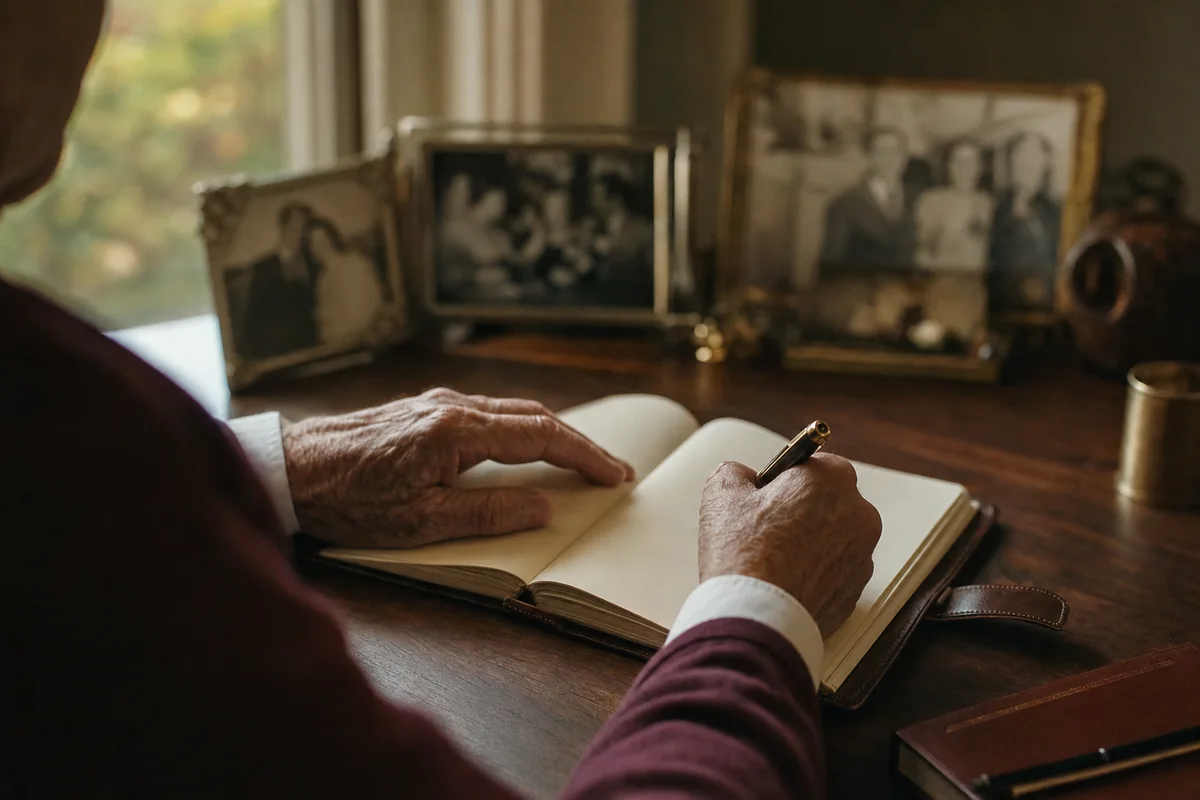
When it comes to inheritance‚ one of the most sensitive and significant matters in life‚ there is no substitute for professional and reliable legal advice. In Israel inheritance raises complex issues‚ especially in families with children from previous marriages‚ partners who never formally married‚ complex family property or disputes over the validity of old wills.
An experienced inheritance lawyer can spot the smallest nuances in the documents and propose a strategy tailored to you.
Drafting a Will: A Legal Guide
When a person wants to make sure their property is divided after their death according to their wishes‚ the safest way to do it is with a lawful and precise will. A will does not only set who receives what. It also helps avoid disputes within the family and saves long legal proceedings.
A wills lawyer helps word the document correctly‚ prevents mistakes that could harm its validity and explains the legal consequences of every clause. Professional guidance is especially important for complex wills that include many assets‚ children from previous marriages‚ businesses or apartments.
What Types of Wills Are There?
Israeli law recognises four types of wills: a handwritten will‚ a will before witnesses‚ a will before an authority and an oral will. Each has advantages and disadvantages‚ and an inheritance lawyer will sometimes recommend a particular type to suit the testator's circumstances.
A handwritten will is written entirely in the testator's own hand and carries a date and signature. No witnesses or notary are needed‚ but it is easier to challenge its validity‚ and in such a case inheritance disputes may break out within the family.
- A will before witnesses is typed or printed and signed in front of two witnesses who do not benefit from it. This is the most common type.
- A will before an authority is made before a judge‚ a registrar or a notary and is filed officially. It is considered the safest.
- An oral will is very rare and is made only when death is expected‚ in the presence of two witnesses.
How Do You Make a Valid Will?
Drafting a will should be tailored to the testator's wishes and to their family and financial situation. A wills lawyer looks at all the considerations‚ asks in-depth questions and words the will so that it prevents doubts in the future.
An inheritance lawyer can also advise on the legal validity of particular wording‚ help choose the most suitable type of will and make sure every formal requirement of the law is met.
The stages of the work include:
- A personal meeting with a wills lawyer to collect background details and information about the property.
- An in-depth analysis of the family structure‚ potential heirs and the risk of future objections.
- Drafting a first version of the will and going over it again with the client.
- Signing in front of witnesses or a notary‚ depending on the type of will.
- Keeping a copy of the will at the lawyer's office and sometimes also with the Registrar of Inheritance.
What Must Not Be Included in a Will?
Although the law gives the testator a lot of freedom‚ there are legal limits to keep in mind. For example‚ a clause that leaves property to one child and excludes the others must be worded carefully to prevent an objection to the will. An inheritance lawyer makes sure the will has no unlawful or unenforceable clauses.
A will cannot order actions that are against the law‚ and it must not include clauses shaped by pressure‚ coercion or undue influence from one of the heirs. An experienced wills lawyer knows how to spot signs of provisions that may be struck down in the future.
What Should You Know After the Will Is Signed?
When Should You Update Your Will?
Any significant change in personal or financial circumstances justifies updating the will. For example: marriage‚ divorce‚ the birth of a child‚ buying an important asset‚ selling an apartment or the death of one of the heirs.
A wills lawyer can add an appendix to an existing will or draft a new will that cancels the earlier one. If the old will is not explicitly cancelled‚ two contradictory wills may exist‚ which can delay the inheritance order and cause disputes.
At the same time it is worth considering an enduring power of attorney‚ which sets who will decide for you if you are no longer able to do so yourself.
Where Should a Will Be Kept?
A will should be accessible but also secure. It can be kept in a private safe‚ at the office of the lawyer who handles the family's affairs or deposited with the Registrar of Inheritance. If the testator fears that the will may be hidden or destroyed‚ depositing it with the Registrar is the most recommended step.
Why Is the Date on a Will So Important?
The date is a critical element: it shows which will is valid if several were made over the years. The law states that a later will cancels an earlier one‚ unless it says otherwise. A wills lawyer always makes sure the will carries a clear date.
What Options for Dividing Property Does a Will Offer?
Can You Leave Only Part of Your Property in a Will?
Yes. A person may leave some assets in a will and let the rest be divided according to the law. For example‚ a will can say that only a certain apartment goes to one child‚ while the rest of the property is divided among the siblings under the Succession Law.
An inheritance lawyer will usually recommend a complete division‚ so as not to leave a tangled legal situation after death.
What Is the Difference Between a Regular Will and a Mutual Will?
A mutual will is made by two spouses‚ each leaving their property to the other‚ and after both have died‚ to the children. A wills lawyer will explain that its advantage is the stability it gives the couple‚ but will also warn how hard it is to change it after one of the spouses dies.
How Do You Write a Will in a Family with Children from a Previous Marriage?
In a second relationship there is often tension between wanting to provide for the current partner and wanting to secure the share of the children from a previous marriage. A standard mutual will may pass all the property to the surviving partner‚ and from there only to that partner's own children.
To prevent this‚ the will can include tailored arrangements‚ for example a right for the partner to live in the apartment while ownership passes to the children‚ or a division between both sides of the family set in advance. A wills lawyer will help word such provisions in a way that keeps the peace for everyone.
What If Some of the Property Is Abroad?
When part of the property is outside Israel‚ such as an apartment‚ a bank account or shares‚ the law and procedures of the country where it is located may also apply. Sometimes a separate process in that country is needed before the heirs can receive the asset.
A wills lawyer will check whether the Israeli will is enough‚ whether a separate will for the assets abroad is advisable and how to word both so that they do not contradict each other.
Can Property Be Given as a Gift Instead of in a Will?
Some people prefer to transfer an asset‚ such as an apartment‚ to their children during their lifetime instead of leaving it in a will. A gift made during one's lifetime can prevent future disputes‚ but it also takes the asset out of the giver's control and sometimes has tax consequences.
Under the Succession Law‚ a gift meant to pass only after the giver's death is valid only if it is made as a will‚ meeting every requirement of the law. A wills lawyer will help you decide what suits your case best: a will‚ a lifetime gift or a combination of both.
Who Inherits When There Is No Will?
When a person dies without a will‚ their property is divided in the order set by the Succession Law. The legal heirs are the spouse‚ the children and their descendants‚ the parents and their descendants‚ and if there are none‚ the grandparents and their descendants.
The spouse has a special status: they inherit the movable property of the shared household‚ including the car‚ and also a share of the rest of the estate. Alongside the deceased's children or parents the spouse inherits half‚ and alongside siblings or grandparents two thirds. The other heirs divide the rest in the order set by law.
This division does not always fit the reality of today's families‚ for example when there are children from a previous marriage‚ a child who needs special support or a family business. That is why a wills lawyer will usually recommend not leaving things to the law but setting them out in a clear will.
What Is Support from the Estate?
The Succession Law allows the deceased's spouse‚ children and parents‚ when they need financial support‚ to claim support from the estate. This right exists even when there is a will‚ and in some cases it takes precedence over what the will says.
An inheritance lawyer will check whether you are entitled to such support‚ assess its scope and file the claim in time.
What Should You Know About Inheritance and Probate Orders?
What Is an Inheritance Order?
An inheritance order is the document that allows assets to be registered in the names of the legal heirs when there is no will. It is essential for banks‚ the Land Registry‚ public bodies and more. An inheritance lawyer can file the application for an inheritance order‚ handle objections and make sure all the heirs' rights are protected.
What Happens When an Old Will Is Found After an Inheritance Order Was Granted?
When a will is found after an inheritance order has already been granted‚ it is possible to ask for the earlier order to be cancelled and to apply for a probate order. This is a complex process that requires going to court. An experienced inheritance lawyer will guide the process responsibly and precisely.
When Can You Object to a Will?
Anyone who believes a will does not reflect the deceased's true wishes can file an objection to the application for a probate order. Once an objection is filed‚ the case moves from the Registrar of Inheritance to the family court‚ which examines the parties' claims and the evidence.
Undue Influence on the Testator
One of the most common claims is that the testator acted under the undue influence of one of the beneficiaries‚ for example someone who cared for them in their last years and isolated them from the rest of the family. The court examines‚ among other things‚ how dependent the testator was on that person‚ their relationship with other family members and the circumstances in which the will was made.
The Testator's Capacity When the Will Was Made
A will is valid only if the testator understood the nature of a will when making it. When the testator suffered from cognitive decline or a serious illness‚ medical opinions and documents from that time can decide the case.
That is why an elderly person making a will is advised to attach a medical certificate about their condition‚ to reduce the chance of an objection in the future.
Defects in Making the Will and Involvement of Beneficiaries
The Succession Law states that a provision in a will that benefits the person who drafted it‚ witnessed it or took any other part in making it is void. Formal defects‚ such as a missing date or missing witness signatures‚ can also lead to disputes‚ although the court may uphold such a will when there is no doubt that it is genuine.
A wills lawyer who knows the case law will help you assess the chances of an objection before you start the process‚ and will accompany you all the way.
Personal Legal Advice on Wills and Inheritance
The office of Adv. Adi Peshko Katz handles every aspect of estate matters‚ wills‚ inheritance orders‚ interpreting legal documents related to a deceased person's estate and proceedings before the Registrar of Inheritance or the family court.
An inheritance lawyer does not only make sure the estate is divided according to the deceased's wishes. Their role is also to keep a balance between the heirs‚ manage disputes between siblings‚ spouses or secondary heirs and prevent legal injustice within the framework of the law.
If you need personal‚ discreet and precise legal guidance‚ contact the office of Adv. Adi Peshko Katz. We will be glad to stand by you and help protect your rights in the sensitive and complex field of wills and inheritance!
Table of Contents
- Drafting a Will: A Legal Guide
- What Types of Wills Are There?
- How Do You Make a Valid Will?
- What Must Not Be Included in a Will?
- What Should You Know After the Will Is Signed?
- When Should You Update Your Will?
- Where Should a Will Be Kept?
- Why Is the Date on a Will So Important?
- What Options for Dividing Property Does a Will Offer?
- Can You Leave Only Part of Your Property in a Will?
- What Is the Difference Between a Regular Will and a Mutual Will?
- How Do You Write a Will in a Family with Children from a Previous Marriage?
- What If Some of the Property Is Abroad?
- Can Property Be Given as a Gift Instead of in a Will?
- Who Inherits When There Is No Will?
- What Is Support from the Estate?
- What Should You Know About Inheritance and Probate Orders?
- What Is an Inheritance Order?
- What Happens When an Old Will Is Found After an Inheritance Order Was Granted?
- When Can You Object to a Will?
- Undue Influence on the Testator
- The Testator's Capacity When the Will Was Made
- Defects in Making the Will and Involvement of Beneficiaries
- Personal Legal Advice on Wills and Inheritance
Frequently asked questions
Do you have to prepare a will with a wills lawyer?
No. The law does not require a lawyer‚ but in practice it is the safest way to make sure your will is kept and carried out. A lawyer makes sure the document is lawful‚ clear‚ includes every important clause and is made as the law requires. A will made without a lawyer is much more likely to be challenged in the future.
What is the risk of writing a handwritten will at home on your own?
A handwritten will is lawful‚ but there is a risk that it will be unclear‚ lack a date or signature‚ or that it will be hard to prove it was really written by the testator. A wills lawyer can word things unambiguously and prevent wrong interpretations in the future.
Is a will written twenty years ago still valid?
As long as it has not been cancelled‚ it is still valid. Still‚ it is important to check whether circumstances have changed since then: the death of an heir‚ the sale of assets or family changes. An inheritance lawyer will check whether it should be updated and make sure the person's current wishes are expressed.
How many witnesses are needed for a regular will?
A will before witnesses requires two witnesses who do not benefit from it. They must be adults‚ legally competent and present at the signing. A wills lawyer makes sure the witnesses are suitable to prevent the will from being cancelled later.
What happens if a person dies without a will?
Without a will‚ the estate is divided according to the law. The spouse‚ children or relatives inherit in a clear order of priority. This sometimes causes problems‚ for example with common-law partners or children from previous marriages. An inheritance lawyer will recommend preparing a suitable will in advance.
Can a child be excluded from a will?
Yes‚ but it must be done with care. Excluding a natural heir may lead to objections. A wills lawyer will word it clearly‚ legally and with good reasons‚ to prevent future disputes or the will being cancelled on grounds of undue influence.
Can a will be changed after it is signed?
Yes. The testator may cancel the will at any time or make a new one in its place. Only the latest will counts. An inheritance lawyer will make sure the new will cancels the earlier one and prevent confusion in the future.
Can spouses include different provisions in the same will?
In a mutual will‚ different provisions can be included for each spouse‚ but they must be worded precisely. A wills lawyer makes sure there is no internal contradiction and that every provision can be carried out.
What is a probate order?
It is an official document that confirms the validity of a will that was found. It is needed to carry out what the will says‚ transfer assets and take legal steps on behalf of the heirs. An inheritance lawyer files the application for a probate order and handles all the legal work that goes with it.
Should a will include all of the testator's assets?
Preferably‚ yes. If the will does not cover all the property‚ the part not mentioned may be divided under the Succession Law and not according to the testator's real wishes. A wills lawyer makes sure that existing or future assets do not fall through the cracks.
How long does it take to get an inheritance order?
The process can take from two months to half a year‚ depending on the workload of the Registrar of Inheritance‚ the complexity of the application and possible objections. An inheritance lawyer can speed it up by preparing the application carefully and handling the documents precisely.
Can an inheritance order that has already been granted be challenged?
In rare cases and exceptional circumstances‚ you can apply to cancel an inheritance order‚ for example when new evidence comes to light or there are serious claims of forgery or error. It is advisable to consult an inheritance lawyer before taking such a step.
What do you do if a will is unclear or contradicts itself?
When a will contains contradictions or imprecise wording‚ you can ask the court to interpret it. A wills lawyer will help present the testator's intention‚ relying on outside circumstances‚ the wording of the will and relevant case law.
Is a very old will still valid?
A will does not expire as long as no new will has cancelled it. If there are several wills‚ the latest one is considered valid‚ unless there are legal grounds to doubt it.
Must a will be carried out exactly as written?
Usually yes. However‚ the law allows some flexibility when the conditions cannot be carried out or in exceptional circumstances. A wills lawyer can ask the court to change the conditions‚ but this is an exceptional process.
What happens if one of the heirs dies before the testator?
In that case the will must be examined. If it has no alternative provision‚ the share meant for that heir may be divided among the other heirs. An inheritance lawyer can recommend wording in advance that covers such cases too.
Can I make a joint will with a partner I am not married to?
Certainly. The law recognises mutual wills between common-law partners as well. The will should be worded clearly to show the intention and the relationship between the partners. A wills lawyer who specialises in mutual wills can suggest suitable wording.
Can one asset be left to a specific heir and the rest to others?
Yes. The testator may set a specific division of assets in the will‚ as long as the instructions are clear and can be carried out. A wills lawyer makes sure the instructions are well defined so that no room is left for interpretation.
Does a common-law partner inherit when there is no will?
Yes. Under the Succession Law‚ partners who lived a family life in a shared household without marrying‚ when neither was married to someone else‚ inherit from each other as if they were married. To prevent disputes with other relatives‚ it is better to settle this in a will.
What happens to the deceased's debts?
Debts are paid from the estate before it is divided among the heirs. The heirs are not liable for the deceased's debts beyond the value of what they received from the estate.
Is there inheritance tax in Israel?
There is currently no inheritance tax in Israel. However‚ selling an inherited asset may involve tax depending on the circumstances‚ so it is worth checking in advance.
Who manages the estate until it is divided?
The heirs can manage it together. When the heirs disagree or the estate is complex‚ an estate administrator can be appointed to look after the assets‚ pay the debts and divide the rest.
Is a will made abroad valid in Israel?
As a rule‚ yes. The Succession Law recognises a will made abroad if its form meets Israeli law or the law of the country where it was made‚ of the testator's residence or of their citizenship. To carry it out in Israel‚ an application for a probate order must be filed‚ sometimes with a translation and authentication of the document.